


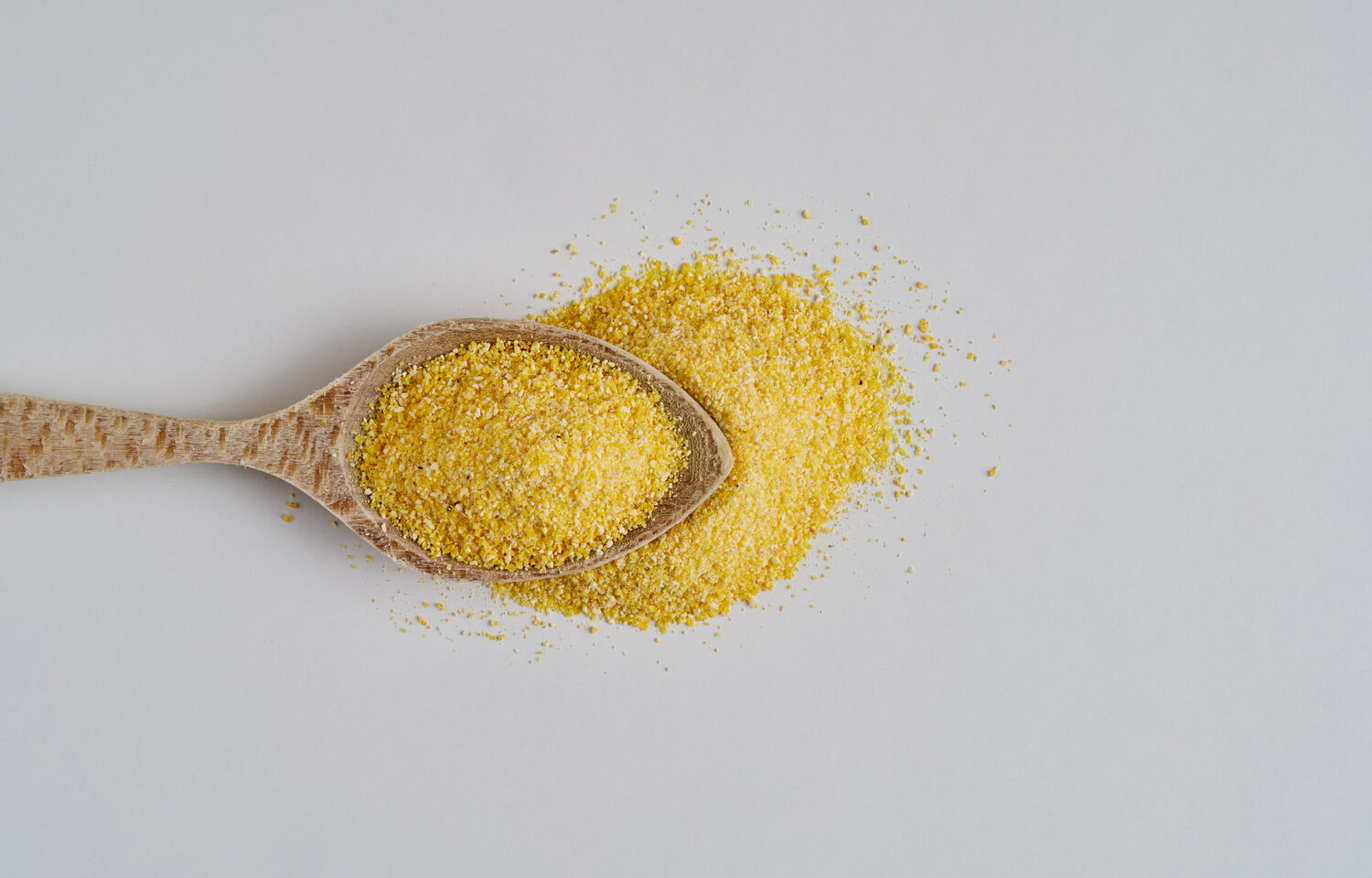
The Secret Behind Light Beer: Corn Semolina
This Is the Ingredient in Your Beer – and You Didn’t Know It…
When you think of beer, you probably picture water, barley, and hops. However, there’s a lesser-known ingredient that plays a crucial role in achieving that smooth taste and light texture so many enjoy: corn semolina.
What Is Corn Semolina?
Corn semolina is obtained through the milling of corn kernels. This process extracts a product rich in starch and low in fat, making it an exceptional ingredient for brewing lighter, smoother beers. It helps create a wort high in carbohydrates with a lower protein content, which is key to enhancing beer quality.
The Production Process
The production of corn semolina is a delicate and natural process. During milling, the starch-rich portion of the grain is separated while preserving its nutritional properties. What’s more, this ingredient is 100% natural, non-GMO, and fully compliant with European regulations, ensuring high-quality and safe use in the food industry.
Benefits in Beer Brewing
Efficient Fermentation
One of the most significant advantages of using corn semolina in brewing is its ability to improve fermentation efficiency. Its high starch content provides an abundant source of carbohydrates for the wort, leading to a more efficient fermentation process. The lower protein content results in a clearer and more stable final product—key factors in achieving a clean and refreshing beer.
Color and Texture
Corn semolina gives beer a distinctive golden hue that is visually appealing. It also contributes to a smooth texture and a subtle hint of sweetness, perfectly balancing the bitter flavors characteristic of many beers. This delicate sensory profile makes it an ideal choice for consumers who prefer lighter, more accessible beers.
Conclusion
Corn semolina is much more than just a hidden component in beer recipes. It’s the secret behind some of the market’s lightest and smoothest beers, allowing for efficient fermentation, exceptional clarity, and an unmatched sensory experience with its golden color and balanced texture. Additionally, its natural and sustainable origin makes it an essential ingredient in the pursuit of more responsible and high-quality brewing processes